Everyday Nutrition Notes

Biblical drink (oil)/ Honey blend Was Never a Shortcut — It Was a Table Habit

You expected a simple fix. What you got was a kitchen tradition. Long before anyone called it a trend, Biblical drink (oil)/ Honey blend was just something families kept close to the table. This page walks through its history, everyday meal habits, and why a short walk after eating still comes up so often — always alongside whatever your own doctor already has you doing.

Everyday Nutrition  ·  Daily Habits  ·  Educational Content  ·  Real-Life Routines

What You Expected vs. What Actually Happens

Nobody plans for the 3pm slump or the 7am fog. Here’s what the day actually looks like for a lot of people paying attention to their meals.

The After-Lunch Rollercoaster

You eat, you feel fine, then an hour later the energy just falls off. It's a pattern a lot of people notice but rarely talk about out loud.

Tired Before the Day Starts

Mornings can feel heavy even after a full night's sleep. It's less about willpower and more about how the whole routine fits together.

Too Much Conflicting Advice

One article says avoid carbs. Another says fruit is fine. Most people just want a plate that makes sense without a spreadsheet.

The Mental Load of Every Meal

Deciding what to eat, three times a day, every day, is its own kind of tiring — even before you get to the actual eating.

Myths vs. Facts Around the Table

A few ideas keep coming up at every family dinner. Here’s a plain look at three of them.

MYTH

All carbohydrates are the enemy.

FACT

Carbohydrates are just one part of a plate. What’s on the plate alongside them, and in what order it’s eaten, tends to matter more than cutting them out entirely.

MYTH

Fruit is basically candy in disguise.

FACT

Fruit comes with fiber, water, and a completely different eating experience than sweets. Whole fruit and refined sugar aren’t the same conversation.

MYTH

There’s a special category called ‘diabetic food.’

FACT

Most nutrition guidance for managing meals mindfully is just ordinary balanced eating — nothing separates it into its own aisle at the store.

Three Small Habits Around Meals

None of this replaces medical guidance. These are habits people build into meals they already eat — always worth mentioning to the doctor who knows your routine.

01

Order Matters on the Plate

Some people eat vegetables and protein first, then move to starches last. It’s less about restriction and more about the order things go in.

02

Slow Down the Pace

A meal eaten over twenty minutes feels different than one eaten in five. Chewing, pausing, actually sitting down — small shifts in pace add up.

03

Move a Little After Eating

A short walk after a meal — even just around the block — is a habit a lot of people build in. It’s simple, it’s low-effort, and it’s worth discussing with your doctor as part of your overall routine.

Where Biblical drink (oil)/ Honey blend Comes From

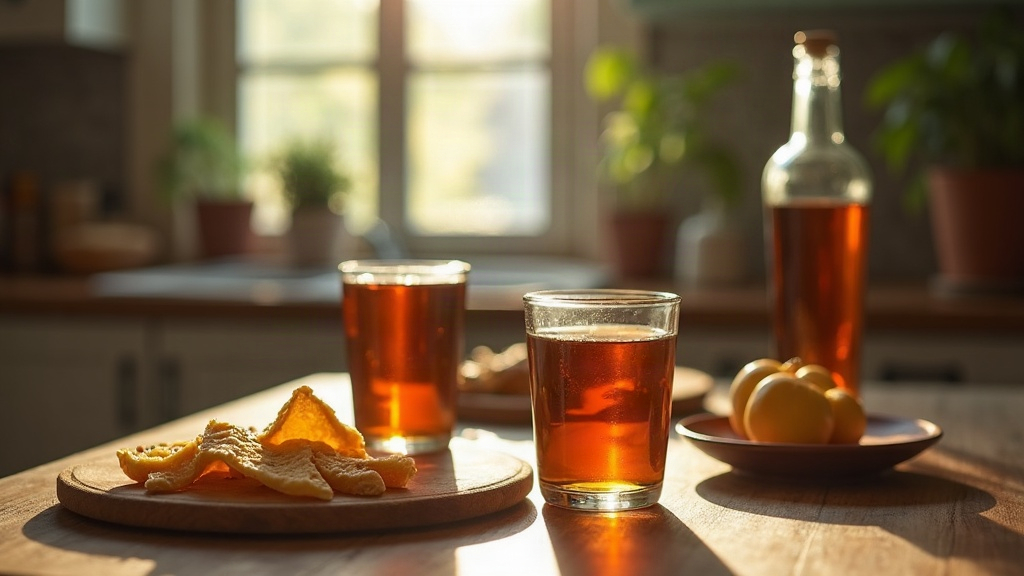
Honey and oil have shown up together in kitchens for a very long time, long before anyone gave the combination a modern name. In old texts and old recipes, the pairing shows up as something poured over bread, stirred into warm drinks, or offered as a gesture of hospitality at the table. It wasn’t measured out in doses — it was part of how a meal was shared. Different regions had their own version: a particular type of honey, a particular oil pressed locally, sometimes a pinch of something else stirred in for flavor. The point was never a mechanism. It was a dish, a ritual, a taste passed down at family tables long before nutrition labels existed.

The interesting part isn’t a hidden property — it’s how something so simple stayed on tables across so many generations, just as food, not as medicine.

Six Everyday Moments Worth Mentioning to Your Doctor

Energy Dips That Feel New

If your after-meal energy pattern has shifted lately, it's worth bringing up at your next visit rather than guessing at the cause on your own.

Sleep That Isn't Restoring You

Waking up tired even after a full night is common, but it's still a detail worth mentioning to the professional who tracks your overall health.

New Uncertainty About Meal Choices

If planning meals suddenly feels harder or more confusing than before, a quick conversation with your doctor or dietitian can help more than another article.

Changes in Appetite You Can't Explain

Eating noticeably more or less than usual, without a clear reason, is exactly the kind of thing to flag with the professional who knows your history.

Thinking About Adjusting Any Medication

If a habit or an ingredient has you wondering about changing a dose or a routine, that decision belongs with your prescribing doctor — not with an article.

A Pattern That Keeps Repeating

One off day is nothing. A pattern that shows up week after week is worth describing to your doctor in your own words at your next appointment.

How Some People Rearranged Their Routine

I stopped trying to overhaul everything at once. I just changed the order I eat things in, and dinner feels less chaotic now.

Marisol T.
Illustrative account
The short walk after dinner became a habit before I even noticed. My wife joins now too — it's become our little ritual.
Gordon P.
Illustrative account
I used to dread deciding what to cook. Slowing down and planning three simple meals a week took a lot of that pressure off.
Renata K.
Illustrative account

These are individual accounts shared for illustrative purposes only. Experiences vary, and none of this reflects a medical outcome, a diagnosis, or a guaranteed result. Always follow the guidance of your own healthcare provider.

Curious Where Biblical drink (oil)/ Honey blend Fits Into an Everyday Kitchen?

This page is a starting point for thinking about meals, pace, and small habits — not a treatment plan. Keep working with your doctor, and don’t change any medication or routine without talking to them first.

Advertising Disclosure: This page contains sponsored content and affiliate links. We may receive compensation if you click a link or make a purchase through one of these links, at no additional cost to you. This helps support the content on this site.

Content Disclaimer: This content is provided for educational and informational purposes only. It has not been evaluated by the FDA and is not intended to diagnose, treat, cure, or prevent any disease or health condition. It is not a substitute for professional medical advice, diagnosis, or treatment. Always consult a qualified healthcare professional before making any changes to your diet, routine, or any prescribed treatment.

Results Disclaimer: Individual results vary. Any testimonials or examples shared on this page reflect personal experiences and are not a guarantee of any particular outcome for any other person.

© 2026 · All Rights Reserved